
How to light your home like a designer: tips for every room
Lighting is one of the most underestimated elements in interior design. You can have the most stunning furniture, the perfect layout, and beautiful materials but if the lighting is wrong, the whole space can feel flat, cold, or simply uncomfortable. Light is what reveals textures, defines volumes, and sets the mood. It’s the invisible hero that can make or break your interior.
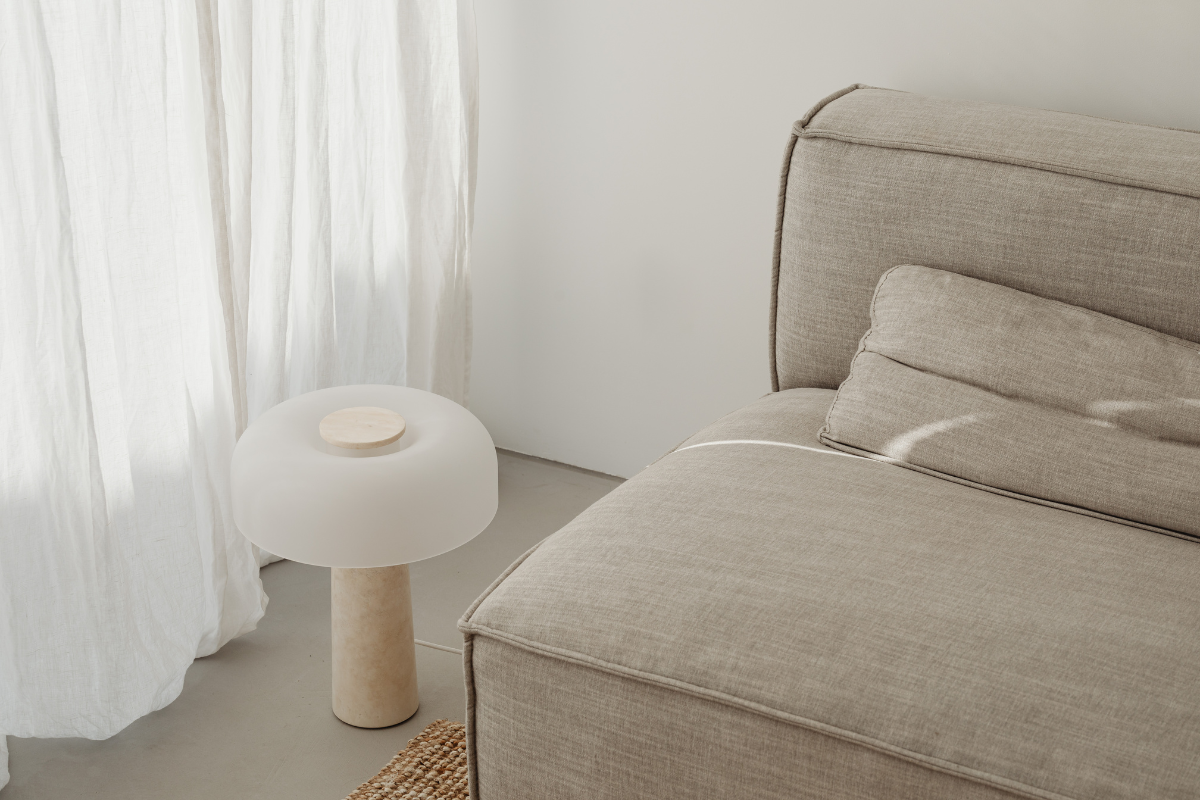
Let natural light take the lead
Before thinking about lamps and fixtures, start with daylight. Natural light instantly makes a space feel alive, so it’s worth maximizing it wherever possible. Avoid blocking windows with heavy curtains or bulky furniture. Use mirrors to reflect and multiply the brightness that’s already there. If you live in a place where daylight is rare (hello, Denmark in winter), this becomes even more important and every ray counts.
Artificial lighting: your best design tool
Since natural light isn’t always available, mastering artificial lighting is key. The goal is to layer different light sources to create both function and atmosphere. Think of lighting like music: it needs balance, rhythm, and contrast.
Here are the main types to combine:
General or direct lighting: ceiling lights, pendants, spotlights, or recessed LEDs. They provide overall illumination and help you see clearly, but on their own, they can feel harsh.
Indirect lighting: wall sconces, LED strips, or floor lamps that reflect light off walls and ceilings. They soften the atmosphere and add depth to your space.
Task lighting: desk lamps, under-cabinet LEDs, or adjustable reading lights. These focus on specific areas where you need precision: cooking, reading, or working.
Accent or ambient lighting: fairy lights, LED candles, night lights. They create warmth and visual interest, ideal for cozy evenings or relaxing baths.
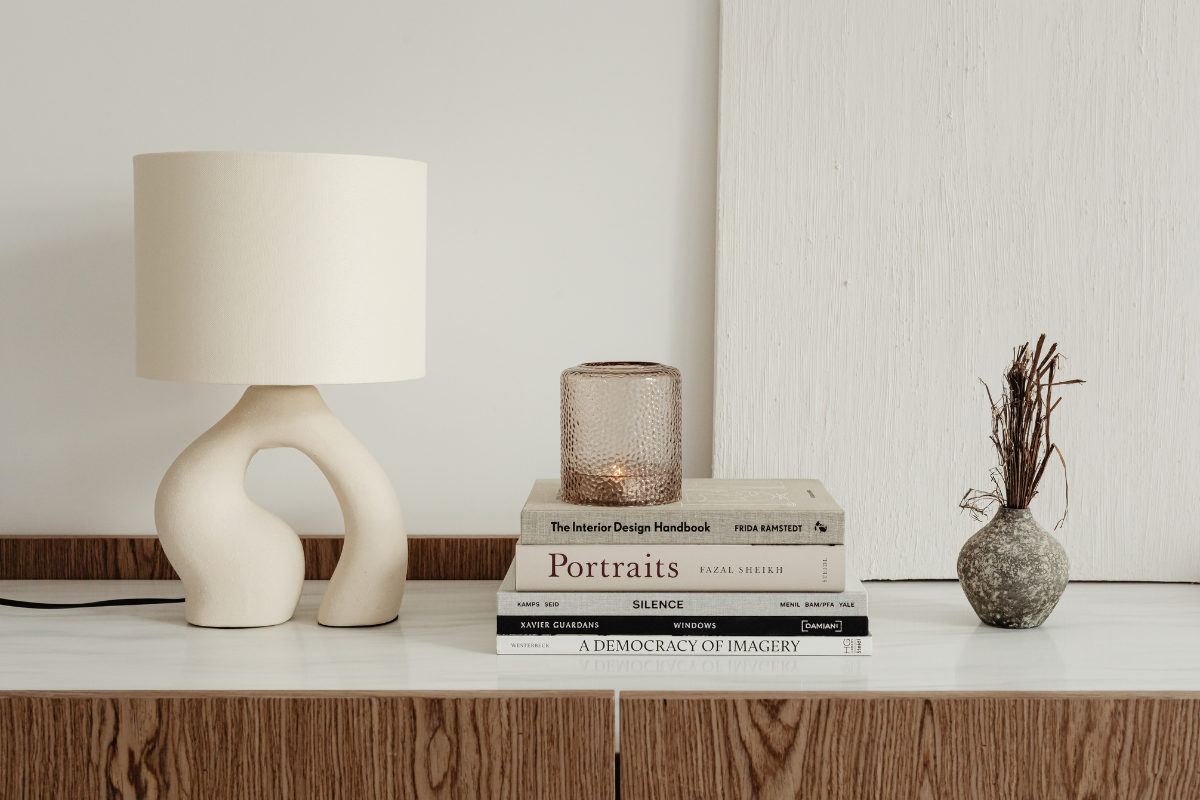
Tailor your lighting to each room
Every room has its own story, and light helps you tell it right.
Kitchen: Bright and practical. Make sure worktops are well lit to avoid accidents (no one likes slicing a finger with bad lighting). Combine a strong ceiling light with targeted task lighting above counters and the cooking area.
Bathroom: You need clarity near the mirror, but softer light for a relaxing bath. Add dimmable sconces or indirect strips to shift from “get ready” mode to “spa” mode.
Living room: Think layers. Mix several light sources you can adjust throughout the day. A dimmer switch is a must for creating a cozy evening atmosphere.
Bedroom: Go for warm, soft light. Bedside lamps or wall sconces are perfect for reading or winding down, while overhead lights should be avoided or kept on dim mode.
Home office or studio: Clear, even light is essential for concentration, paired with a softer source to avoid eye strain.
Dressing room: Never overlook lighting here, it helps you actually see your clothes’ true colors. Use LED strips or spotlights integrated into the furniture.
Hallways and stairs: These transitional areas can become design features with the right lighting. Think of wall washers, motion sensors, or LED lines that highlight architectural details.
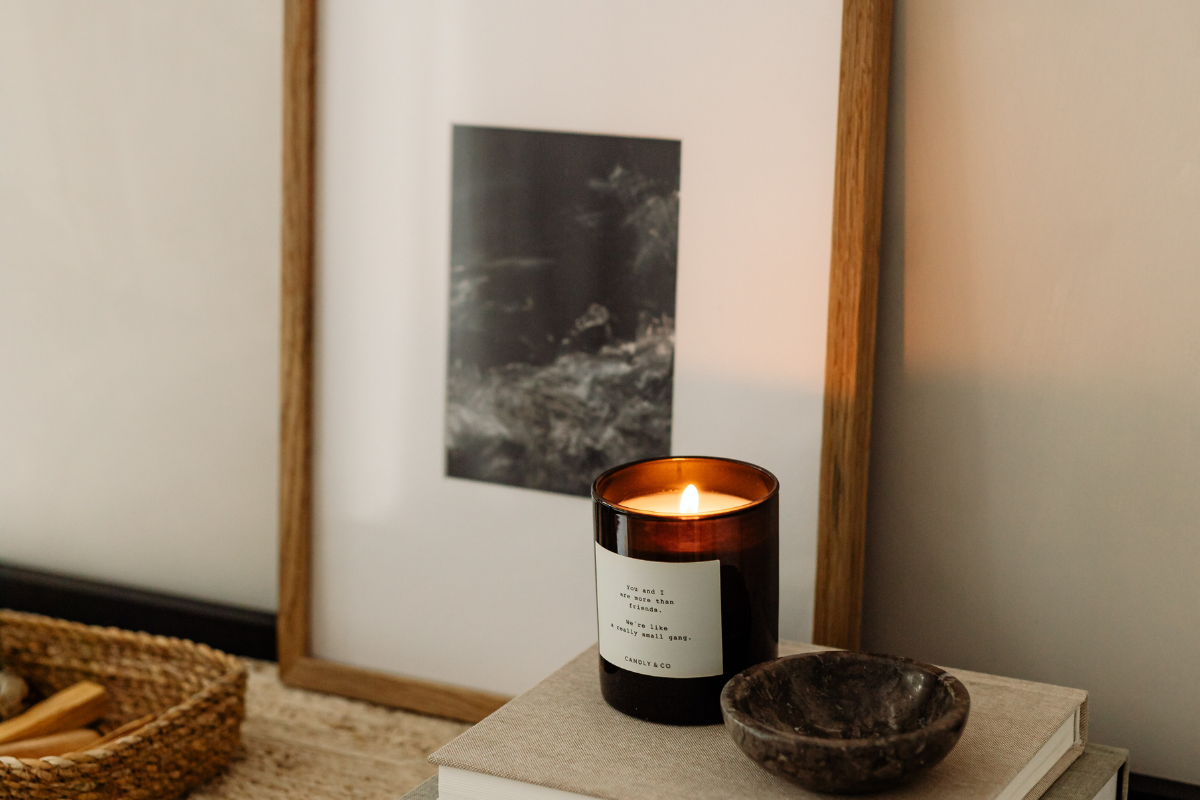
The power of bulbs
Choosing the right bulbs matters as much as the fixtures themselves. The color temperature of a bulb determines the atmosphere of a room, and it’s measured in Kelvins (K):
Below 2700K: very warm light, almost orange. Perfect for a cozy, intimate touch.
2700K–3300K: warm white, ideal for relaxing spaces like living rooms and bedrooms.
Around 4000K: neutral white, energetic and functional, great for kitchens, bathrooms, and workspaces.
5500K–6500K: cool white, close to daylight, best used sparingly or for specific tasks.

Light as emotion
Lighting is not just technical, it’s emotional. It sets the tone for how we feel in a space. A soft glow invites you to slow down, while bright light energizes you. The right balance of both makes a home adaptable to your rhythms and your moods.
Final thoughts
A well-designed lighting plan transforms how you experience your home. It highlights what matters, creates depth and comfort, and adapts to your life from morning to night.
If you’re thinking of reimagining your space, start by asking yourself one simple question: how does the light make me feel here?
That’s where good design begins.